
Representation
We are the people most proximate to the issues that affect us; and that adheres to the lived experience of the foundational members. Hence, we understand our problems better than anyone else, and our voice matters. We believe in bringing the voices of Nepalese migrant workers to the forefront.
In accordance with this belief, we conduct various in-house activities to urge concerned authorities to address issues that affect us the most. Shramik Sanjal continues to work to influence both national and international communities to ensure the protection and promotion of migrant workers’ rights by building a collective voice and global solidarity.
Our efforts focus on demanding voting rights, establishing workers’ agencies, protecting migrant workers from vulnerable conditions, countering all forms of discrimination, addressing health gaps, and ensuring access to justice. Likewise, we utilize diverse and impactful tools including digital platforms such as Facebook Live, video and content production, and expressive art forms to raise awareness among stakeholders and amplify the legitimate concerns and rights of migrant workers.
In addition to this, Shramik Sanjal also proactively explores the opportunities to represent workers in the international forum for the migration and development.
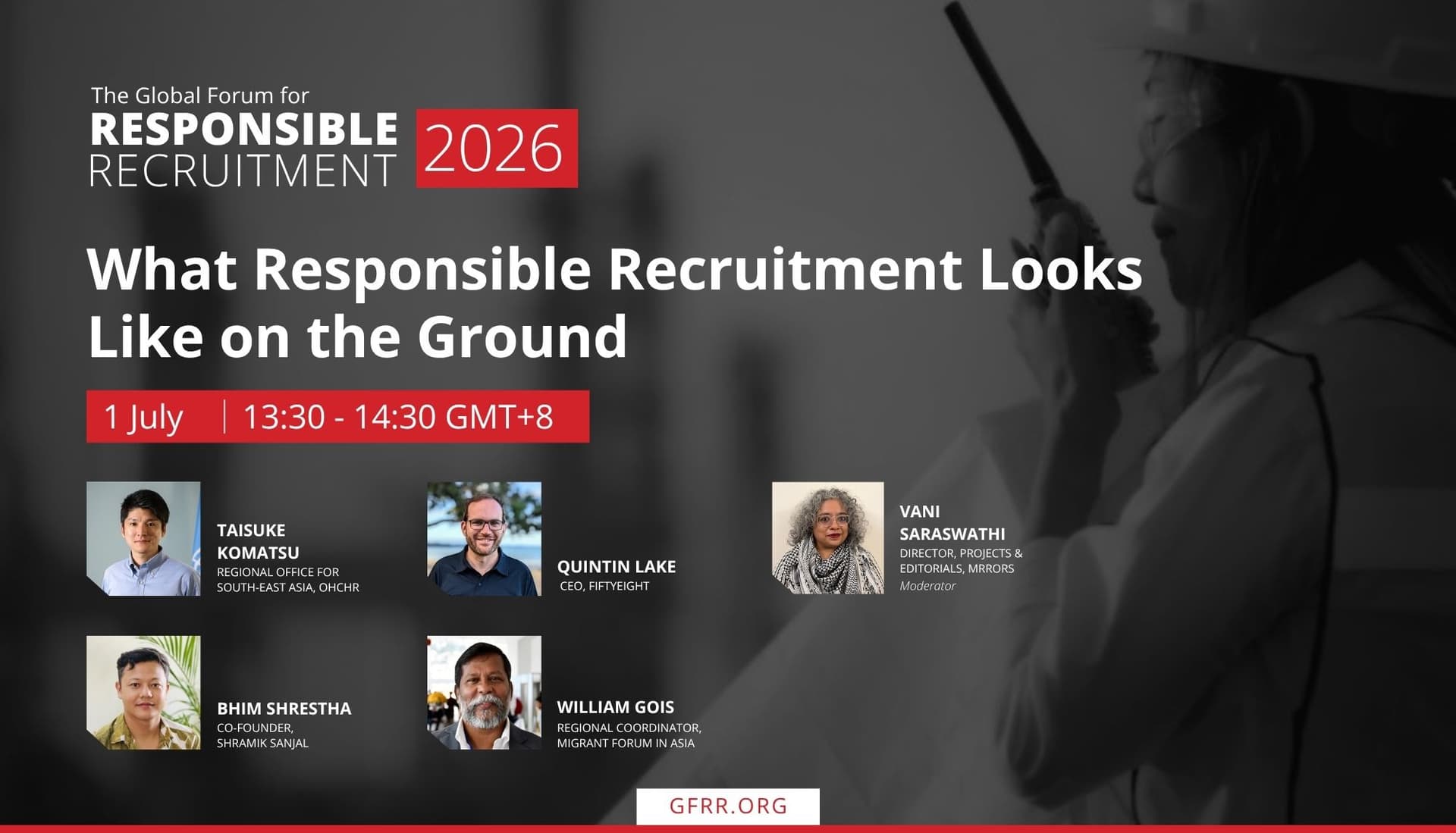
Global Forum for Responsible Recruitment 2026
30 June – 1 July| Kuala Lumpur, Malaysia
Shramik Sanjal (SS) presented research findings at the ninth Global Forum for Responsible Recruitment, convened by the Institute for Human Rights and Business (IHRB) a two-day forum bringing together businesses, civil society, trade unions, and academia to advance the global agenda on responsible recruitment.
The full report (forthcoming) will provide the evidence needed to push for the strict implementation of existing state mandate of 'Free Visa, Free Ticket' policy, and to further “zero-cost” recruitment policy - an under-enforced standard to a strictly monitored legal requirement with clear accountability for those who violates it.
Representing at this global platform reinforces our commitment to ensuring that the lived experiences of Nepali migrant workers shape the policies and standards that govern their journeys.
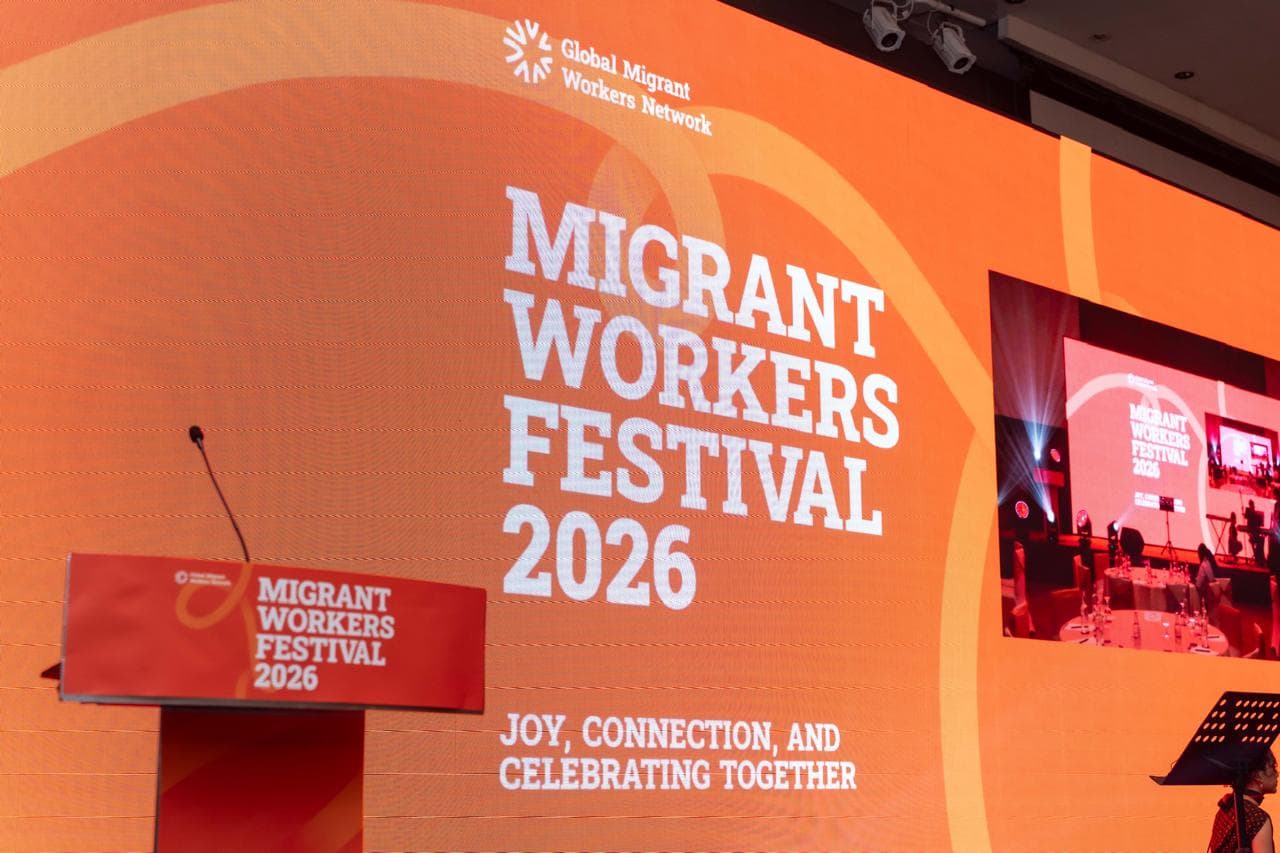
Global Migrant Workers Network Festival 2026
10–12 June | Kuala Lumpur, Malaysia
Shramik Sanjal participated in the Global Migrant Workers Network Festival- a “Migrant Workers Festival” where migrant worker leaders and advocates, funders, philanthropic organizations, and local communities came together across Asia and Africa in Kuala Lumpur for a three-day celebration of connection, resilience, and collective healing.
The festival theme, 'Joy, Connection, and Celebration,' carried a profound resonance by bringing together two vital communities: migrant workers and survivors of human trafficking. While these groups represent distinct lived experiences, they are united in the global struggle against the various forms of modern slavery. By sharing a platform to exchange stories and leadership, they affirmed that recovery is more than just survival it is the active reclamation of joy, voice, and community."
Since its establishment as an informal network in 2020, Shramik Sanjal has served as an active member and significant contributor to the festival's achievements. Shramik Sanjal also participated in the plenary dialogue titled Centering Migrant Worker Leadership: How Do We Get There and Why?, where we shared practical experience in developing a worker-led movement. The discussion emphasized that survivor leadership enhances advocacy efforts and fosters more equitable partnerships.
International Migration Review Forum 2022
The 2022 International Migration Review Forum (IMRF), held 17–20 May in New York, was the first premier UN global intergovernmental platform designed to review progress in implementing the
Global Compact for Safe, Orderly and Regular Migration (GCM). It brought together member states, stakeholders, and the UN system to discuss challenges, share progress, and adopt an inter-governmentally agreed Progress Declaration to strengthen safe, orderly migration.
The Bali Process
The Bali Process on People Smuggling, Trafficking in Persons and Related Transnational Crime was established in 2002 as a non-binding, international, multilateral forum designed to enhance regional cooperation, promote information-sharing, and support the development of effective policies and practices on irregular migration across the Asia-Pacific region and beyond.
It provides a unique platform for dialogue and engagement among governments, regional organizations, and other stakeholders, facilitating the exchange of knowledge, lessons learned, and coordinated responses to complex cross-border challenges.