फिफा लिगेसीले कामदारको जीवनलाई खतरामा पार्यो
For football fans and fanatics around the globe, the FIFA Men's World Cup is more than just a sporting event—it's a celebration of passion, culture, and unity. The 22nd edition, held in Qatar during November and December 2022, was a monumental chapter for Qatar. This edition marked a grand success, marking Qatar's pride in the global arena. Qatar engraved its name on a gold plaque in football history, with a legacy of hosting one of the world's most prestigious sporting events.
The FIFA World Cup stadium construction and the excitement of hosting the Mega Sporting Event united the nation and regional football fans. While the tournament was celebrated with the presence of global icons, celebrities, social media influencers, and football fans and concluded with grand celebrations and marked as a legacy of football, the lives and plights of migrant workers remain in misery that continue to impact even more severely.
However, it also exposed critical issues of worker exploitation and human rights violations, drawing the international spotlight on the grave realities hidden beneath the glamor of the beautiful game. The Ministry of Development, Planning and Statistics (MDPS) reported that Qatar has 2.1 million migrant workers, a 39 per cent increase since 2010. They are primarily from countries including Nepal, Bangladesh, and India. Building up the infrastructure led to a substantial increase in demand for workers across various sectors, including hospitality, construction, facilities management, retail, delivery services, and taxi operations.
The Lives of Nepali Migrant Workers: Challenges and Hopes
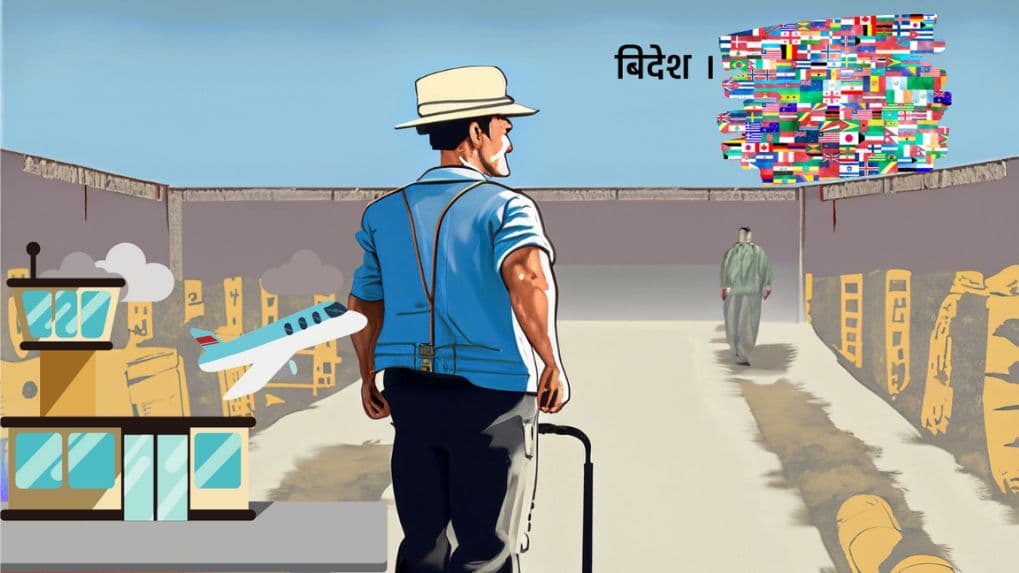
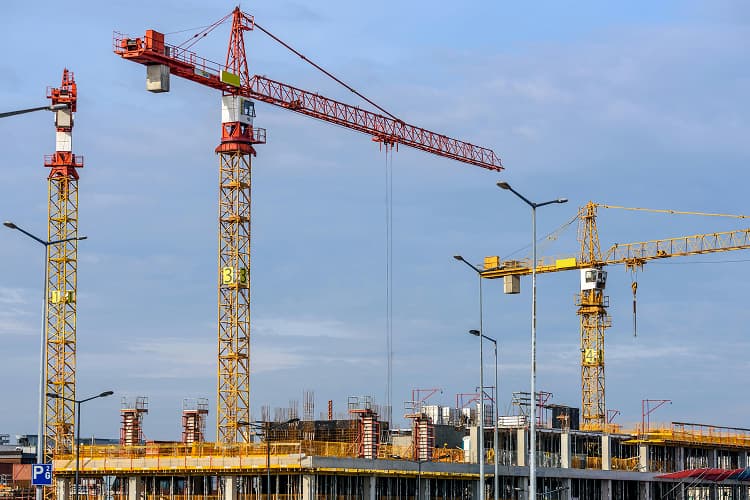
Building up the 2022 FIFA World Cup infrastructure and delivering this mega sporting event in Qatar offered opportunities but often fabricated with luring promises and hopes of better livelihood options. Many Nepali migrant workers had chosen Qatar as a destination to land and live their hope and aspiration of better employment and deployed as foreign workers across various sectors, including construction, hospitality, facilities management, retail, delivery services, and transportation.
Thousands of Nepali migrant workers took these opportunities to earn better wages and support their families back home. Their skills and dedication significantly contributed to Qatar's preparation for the events, including the influx of international visitors during the tournament. Hosting the FIFA World Cup 2022 drastically increased employment opportunities for thousands of migrant workers. However, it lagged in protecting human rights and put many migrants into the exploitation of forced labor.
We observe that our company's workers' demand is deficient after the World Cup, Hari, a Nepali migrant worker in the construction sector, said. This leads to uncertainty and job insecurity for numerous Nepali workers. While some can find new opportunities, others require assistance in a post-World Cup economy that no longer needs such a large number of workers.
The experience of migrant workers underscores the ongoing issues of worker exploitation and inadequate protection. Addressing these challenges requires ensuring that labor reforms are effectively implemented and that migrant workers receive the rights and protections they deserve. Hence, this will be crucial in fostering a more sustainable and equitable labor environment for all migrant workers in Qatar.
Construction Sector-Broken Promises
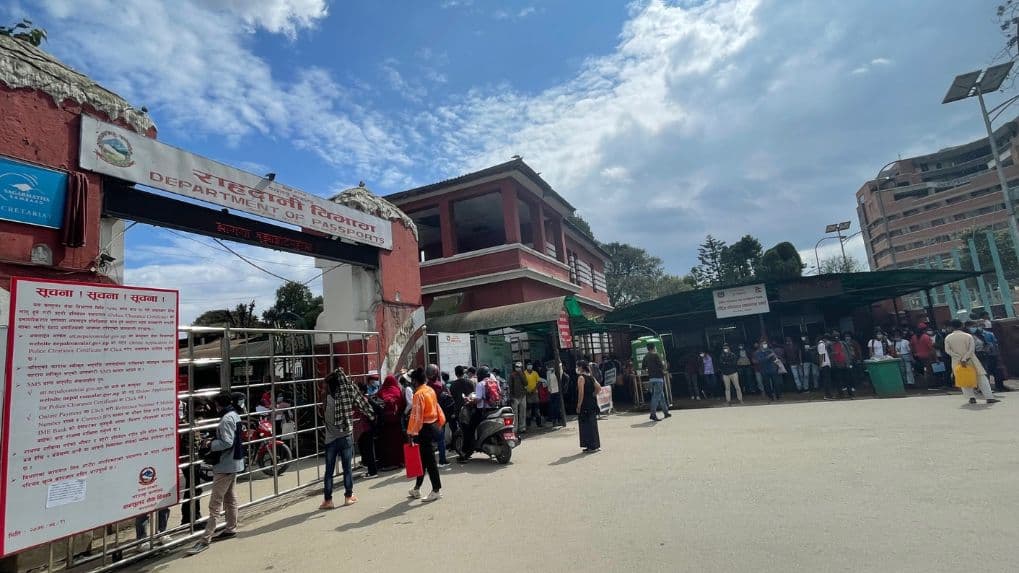
Hari, a Nepali Migrant worker (Name changed due to the fear of reprisal) hired by a construction company contracted by FIFA, chose a challenging route to reach Doha. Hari's journey to Qatar as a migrant worker began with a debt burden. He said that he paid 250,000 Nepali rupees -approximately USD 1850- to a recruitment agency in Kathmandu, for which he took out a 36 percent interest per annum loan to secure the construction job. He was promised that he would get decent accommodation, a good working environment, three free meals a day, and a salary on time. He added that he would change his financial difficulties to affluence with all these promises. But when he arrived in Qatar, all those promises faded away, and he lived in a cramped situation, shared a room with seven other fellows, worked 12 hours a day without overtime pay, and shared a kitchen with many other fellow workers and arranged meals himself who otherwise had no choices. Despite all those fancy promises, he was deceived by the recruitment agency, which made him more vulnerable to forced labor.
After the World Cup, the need for construction workers dropped, and Hari's company needed help finding new projects. As a result, Hari and his other colleagues stayed four months without work, with only a food allowance of 300 Qatari riyals a month. Luckily, his company still provided housing, but many workers weren't as fortunate as Hari. Thousands like Hari ended up without work, no overtime pay, delays in salary payment food, the harsh reality of migrant workers, and the ineffectiveness of the labor reform-vast gap between labor reforms and reality. Despite these struggles, Hari remains determined to build a better future for his family, and he is hopeful that he can pave the path even though it seems uncertain and full of challenges.
Taxi & Delivery Services
Ramesh and Deepak (change of names for those who want to remain anonymous) arrived in Qatar in 2020 under the supposed "Azad visa. " They paid 500,000 Nepali rupees to an agent for their visas. They also had to bear expenses for their residence permit, driving licenses, and other legal service fees, which cost approximately USD 2750. Ramesh started as a food delivery driver, while Deepak chose to work as an Uber taxi driver.
Despite the promise of better earnings, Ramesh and Deepak face significant challenges. Neither the delivery app nor Uber provides them with any security or insurance coverage, and their earnings are entirely commission-based with no guaranteed minimum wages. After the World Cup, the demand for their services declined sharply. Ramesh often spends days without delivery orders, whereas Deepak struggles with fewer taxi trips. Uber booking makes it hard to cover their daily expenses and other facility fees, such as vehicle rentals, and manage other daily living expenses.
Lack of accountability from their visa providers, vehicle rental companies, and app platforms adds to their difficulties. With fewer consumers and a high number of drivers, both Ramesh and Deepak are finding it increasingly hard to make ends meet. Their experiences reflect a common plight among many workers in similar situations, highlighting the urgent need for better protection and support for migrant workers before it's too late.
Security and Facilities Management
Sita, a housekeeping attendant in one of Qatar's shopping malls, is among the few female Nepali migrant workers in the predominantly male workforce. She paid 200,000 Nepali rupees to an agent who promised her a job at a hospital or airport (HIA) with a 2,000 Qatari riyals salary a month., one day off per week, and 60 -hours of work a week. However, Sita works 12 hours a day with no days off as a cleaner in the mall's restroom, earning only 1,000 Qatari riyals per month. She shares a room with five other women and lives far from her workplace, which requires an hour-long commute each way.
Despite labor reforms to improve workplace safety, Sita faces cultural and gender-related challenges that impact her well-being and professional growth. Sita has repeatedly faced inhuman derogatory behavior and discrimination from clients and the public, including racism, being barred from using public lifts, and verbal abuse.
Her story highlights the urgent need to address gender inequality and foster more inclusive work environments for women in the migrant workforce.
Ramkrishna, a male security guard, came to Qatar as part of the security guard for the World Cup stadiums, working for six months. Like many others, he paid an exorbitant sum to secure the job. He was paid on time during the tournament and received extra allowances, which made him happy. However, after the game, his company lost its contract and could not pay the employees' salaries, resulting in redundancy and cost-cutting. The employer instructed employees to resign, look for a new job, or wait for new contracts.
Ramkrishna attempted to find another job but struggled because thousands of others were in similar situations and competing for the same job. Being the family's breadwinner, he could not return home as he was indebted with a loan that he took out to pay the recruitment fees. He only had a choice: getting a new job. Fortunately, his company secured a contract with a shopping mall, and he continued employment with the same company, where he now works 12 hours a day with no days off, earning 1,500 Qatari riyals per month. He said that his pay sometimes gets delayed by a month. Despite these challenges, Ramkrishna has to continue working to support his family.
The experiences of Sita and Ramkrishna highlight the various challenges faced by migrant workers in Qatar and emphasize the need for comprehensive reforms and effective implementation that address both gender-specific issues and broader labor concerns to create a more equitable and supportive work environment for all.
Retail sector
Somraj and Shanti, a newly married couple, were eager to secure a bright future together. They initially invested time and money in a consultancy to process their visa application for Canada, hoping for a better life. However, they gave up after spending 500,000 Nepali rupees and waiting a year with no success. The same agent then offered them a freelance visa, assuring them that finding a job in Qatar would be easy and that they had personal contacts to help them.
They arrived in Qatar with renewed hope, but life was far from what they had been promised. Shanti managed to secure a job with a beauty brand, earning an average salary due to her basic beauty training in Nepal. Somraj, however, faced significant challenges as he had no specialized skills. After months of struggling, Somraj finally found work at a coffee shop, and things started to look hopeful, especially during the World Cup.
Unfortunately, after the event ended, the coffee shop shut down due to poor business performance, and Somraj lost his job. Despite his best efforts, he has yet to find another job. With little earnings by Shanti, the couple barely survives and has been reduced to just the basics after the company cut additional benefits due to financial difficulties. Their story is just one of many, as countless Somrajs have lost their jobs after the World Cup, with even large companies laying off staff and smaller businesses struggling to pay salaries on time.
The Reform Remain Rampant
The Government of the State of Qatar has enacted several labor reforms and implemented significant changes in recent years. These reforms include a non-discriminatory minimum wage set at QAR 1,000, with employers required to provide additional payments of QAR 500 for accommodation and QAR 300 for food allowances. The reforms also eliminate the requirement for No-Objection Certificates, allowing employees to change jobs and terminate their contracts more efficiently. Additionally, the cancellation of exit permissions and the introduction of heat stress protections are significant highlights. Despite these reforms, migrant workers continue to experience severe labor exploitation and forced labor.
The stories of Hari, Ramesh, Deepak, Sita, Ramkrishna, Somraj, and Shanti reveal the harsh reality beneath the beautiful game that many Nepali migrant workers faced in Qatar before, during, and after the FIFA World Cup 2022. While the tournament created a temporary surge in job opportunities, many workers now deal with job losses, low wages, and poor living conditions. Even though there were promises of better labor conditions, the reality for these workers still needs to be ideal, with many needing help to get the protections and fair treatment they deserve.
These stories and experiences call for more substantial and better-enforced labor reforms in Qatar. The World Cup's attention should be used as an agent for real change, ensuring that migrant workers are treated fairly and given the support they need. Without these changes, the hardships these workers face will continue, and the hope for a better life will remain out of reach for many. Their stories highlight a broader problem that needs immediate action to improve the lives of all migrant workers in Qatar.