Listen, I Will Tell You My Story of Tears
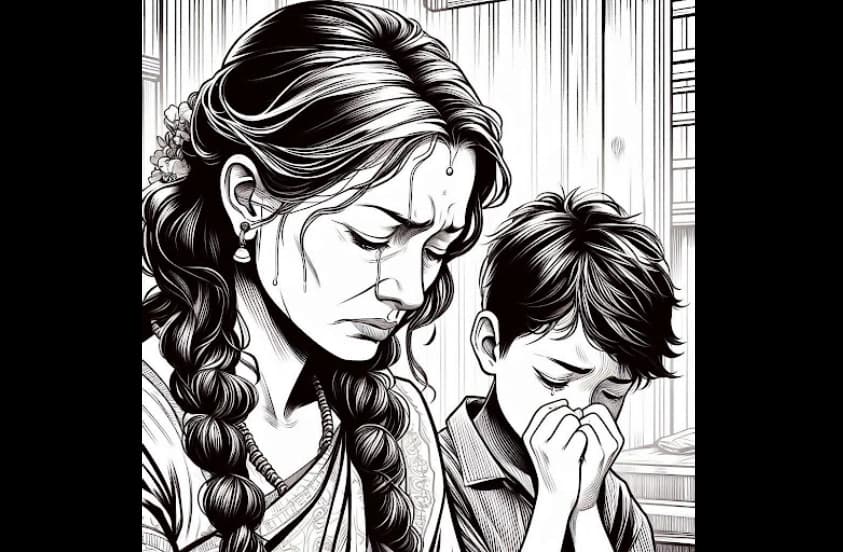
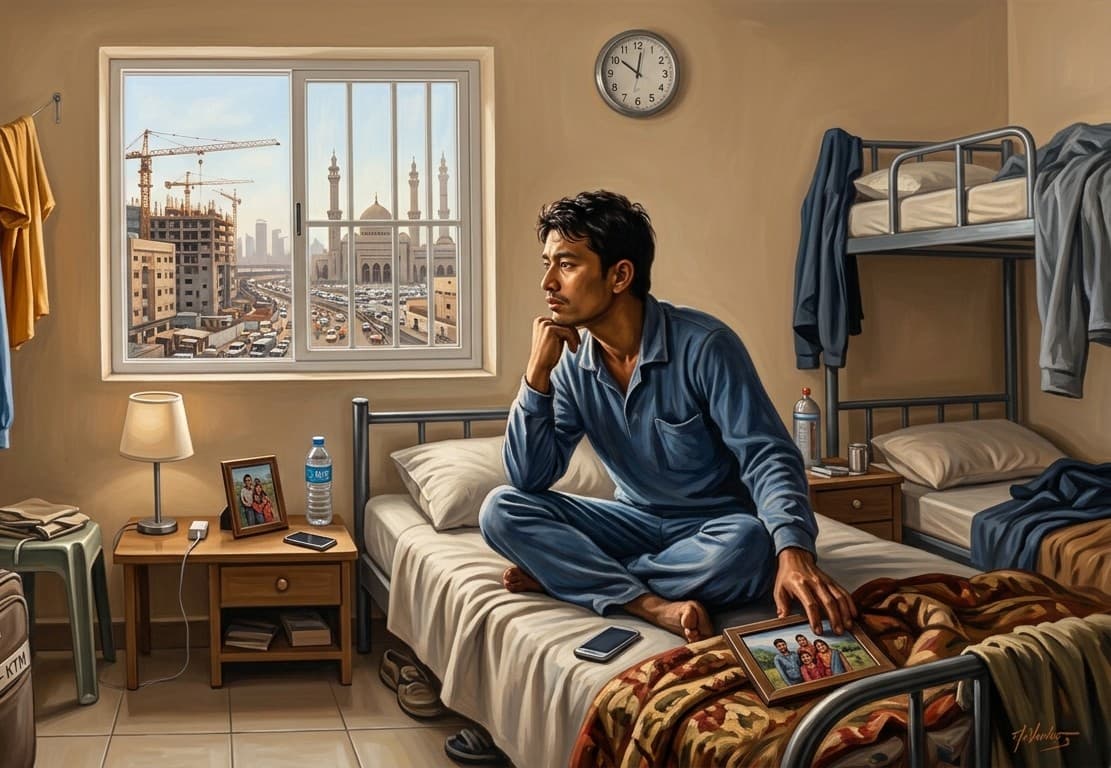
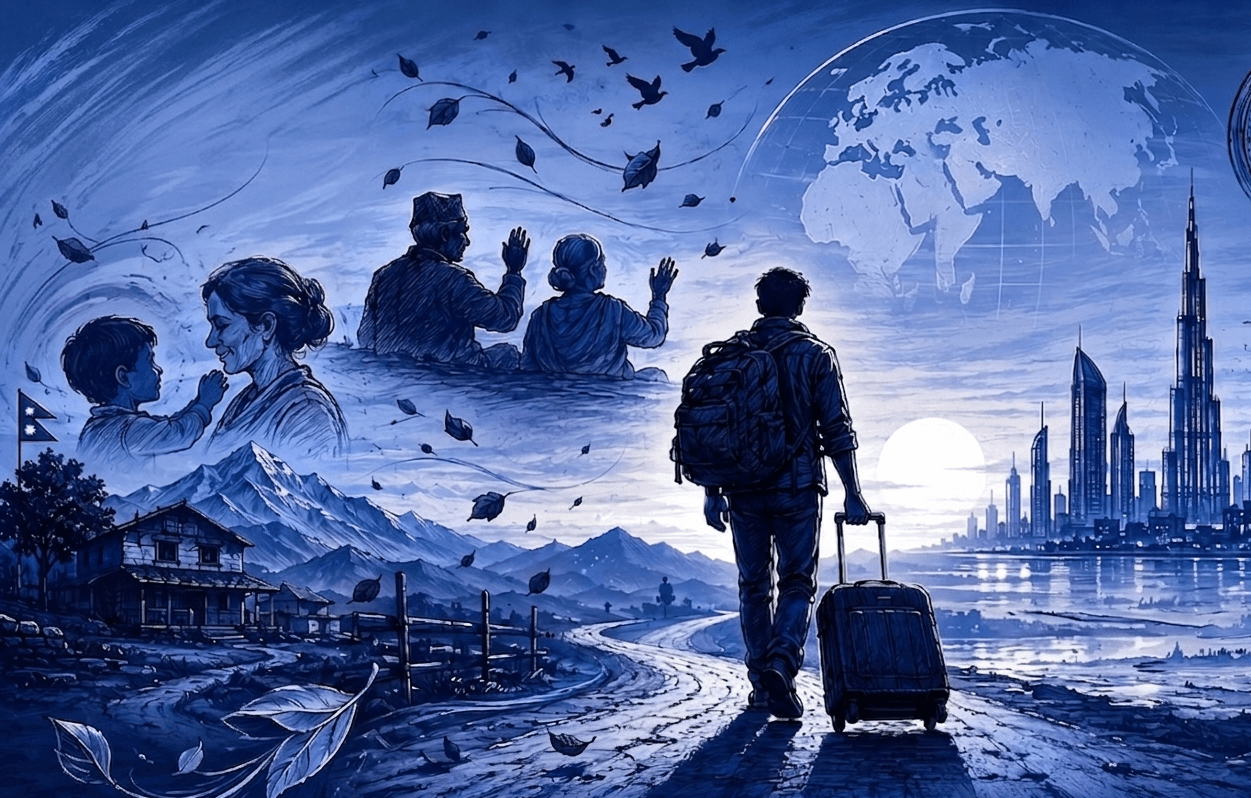
About 15 years ago, I left Nepal for a foreign job far away from my home border in an Arab country. The excitement of boarding a plane (international flight) and venturing beyond the vast valley and 'nine hills' was tempered by the sadness of leaving behind my elderly parents, who had no one to care for them. Despite having legal citizenship, and crossing over the age of adulthood, I was the youngest and most beloved child in my family.
My brother and I traveled for a day before reaching the district headquarters, where I stayed in a hotel for the night. After much effort, I finally obtained my passport. Holding it, I felt I was a step closer to my dream, a sense of freedom as if I could fly like a bird It was a pair of my wings that opened access to many doors for foreign employment. It was not just a piece of documents but a wing to explore the horizon of opportunities. But the reality was different. After a long wait and spending more money than we had, I eventually reached the Arab country to work as a domestic helper.
The salary wasn’t great, but the family I worked for treated me kindly. They had three well-mannered children. As soon as I started earning and receiving the first month's salary, I sent money back home. My family was proud, saying, "Our youngest is supporting the family."
My main duties were to clean the house and occasionally run errands like fetching groceries from a convenience store nearby There was also a middle-aged Bengali cook working in the same house. I was just 18 then. No matter how tough my life was growing up in the mountains of eastern Nepal, I was still a young person with growing desires.
I often visited the same grocery store. The shop owner had four workers—one Nepali, two Filipinos, and a man from Sikkim, India. He and I shared the same last name, though we were from different castes, as is common in indigenous communities. We spoke the same language, albeit with different accents, which brought us closer. He was probably about 10 years older than me, but despite the age gap, I found myself attracted to him.
Whenever I visited the store, he’d strike up a conversation. At first, I hesitated, but eventually, I began looking forward to seeing him. The other workers tried to talk to me too, but I wasn’t interested. My attraction toward him grew, and I believed it was mutual.
He suggested we meet at a park on a Friday, a day off for both of us. I was excited but nervous, as I had never gone out without my employer’s permission. Still, I lied, telling my boss I wanted to visit a Nepali friend, who was a girl. That Friday, we met at the park, and it was my first time being so close to a man. We talked and shared snacks, and slowly, I began to trust him. He seemed interested in romance, but I was shy.
Over time, we started chatting online, and he confessed, “I love you.” I was overjoyed but unsure if he truly loved me or was just interested in something else. One day, he invited me to his dormitory, saying his roommates would be out. I was hesitant but went anyway. We spent time together, and though he tried to be intimate, I resisted, telling him we should only get physical after marriage. He was upset, but we parted amicably.
Despite knowing he was more interested in physical pleasure than genuine love, I couldn’t stop seeing him. Eventually, I gave in, believing his promises of commitment. When I asked if he had a wife or children back in India, he reassured me, "You’re my wife now."
A few months later, my period stopped. I wasn’t worried at first, but when it continued, I told him. He brought a pregnancy test kit, and it confirmed what I feared—I was pregnant. Terrified and unsure of what to do, I asked him for help. He promised to take care of everything, but soon after, he disappeared. He stopped answering my calls.
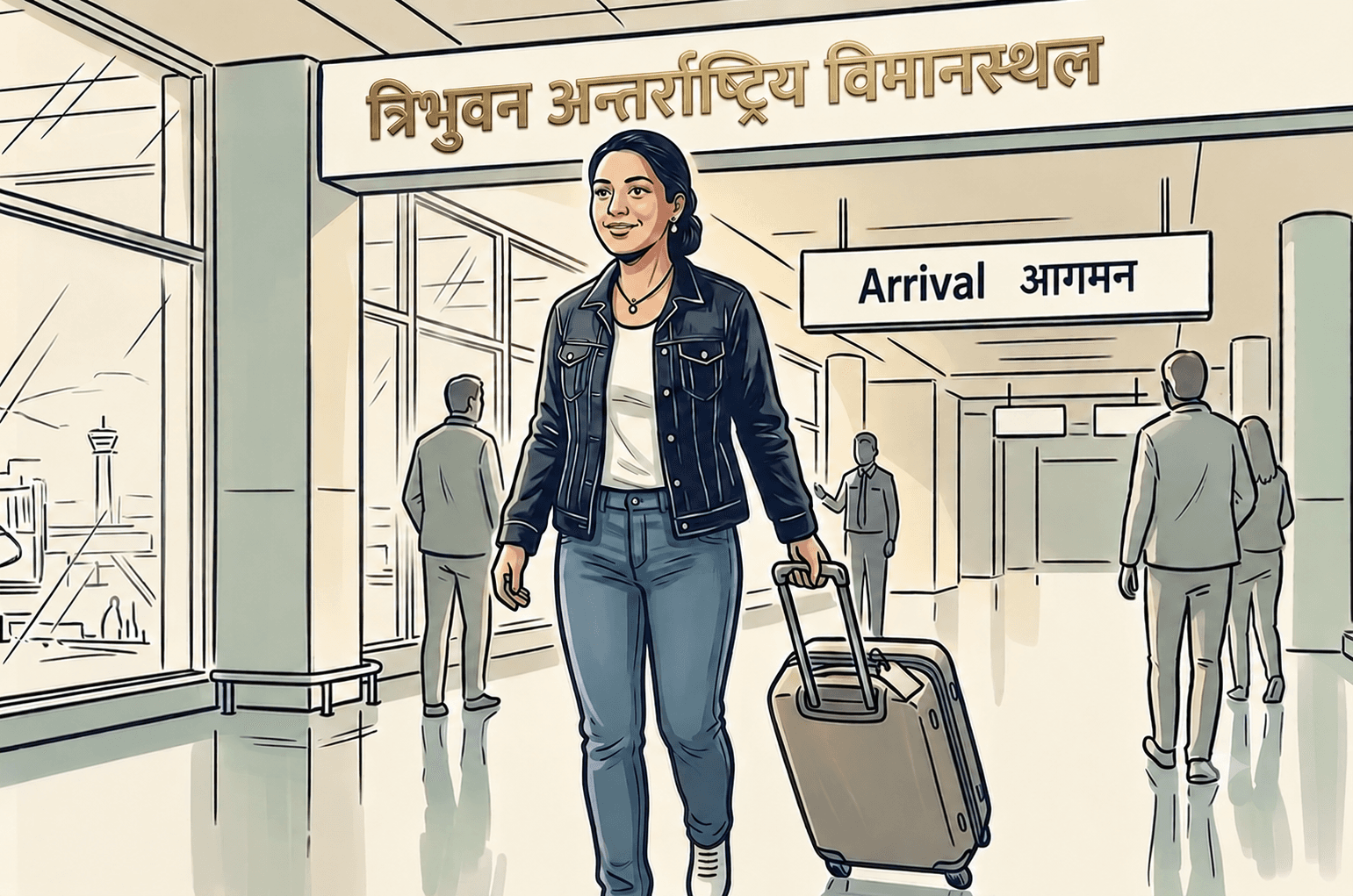
I was devastated and felt too ashamed to tell anyone. I thought about returning to Nepal for an abortion, but I didn’t have enough money. Eventually, I made it back to Kathmandu, but by then, I was two months pregnant. I couldn’t face my family, so I stayed in a guesthouse for a few days. Desperate, I inquired about abortion services but was shocked by the cost—it was over one lakh Nepalese rupees (around 800 US dollars). Unable to afford such an expense, I made the difficult decision to keep the baby.
Now, I live in a damp, dark room in one of Kathmandu’s narrow alleys. My son is seven years old and goes to a government school nearby. I used to sell vegetables on the street to make a living, but after Balen Shah became mayor, I was evicted. Now, I stay home and make incense sticks, barely earning enough to cover rent and living expenses.
Life is filled with hardship, but if I ever meet someone I can trust, I’ll tell them everything.